
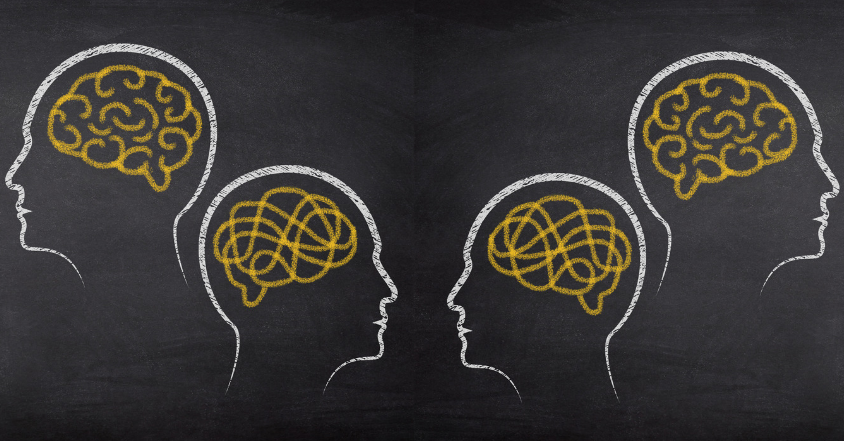
How can coaches, leaders and managers better understand neurodivergence and create environments in which different ways of thinking, processing and working are supported?
In a recent Human Synergistics New Zealand Professional Development session, Coaching Through a Neurodiverse Lens, Human Synergistics Consultant Carina Hull was joined by Dr Kirsten Davey to explore neurodiversity and its implications for coaching, leadership and workplace relationships.
With approximately 200 registrations, the session highlighted a growing appetite among practitioners to better understand neurodivergence and develop more inclusive approaches to supporting others.
One of the key themes to emerge from the conversation was the importance of replacing judgement with curiosity.
Understanding neurodiversity and neurodivergence
Although the terms neurodiversity and neurodivergence are often used interchangeably, there is an important distinction between them.
- Neurodiversity refers to the natural variation in how people think, learn, process information and experience the world.
- Neurodivergent describes individuals whose neurological functioning differs from what is considered typical.
- Neurotypical describes individuals whose neurological functioning is broadly consistent with what is considered typical.
Neurodivergence can influence attention, working memory, information processing and how individuals respond to their environment.
Importantly, it is not about what is ‘normal’ versus ‘abnormal’. Nor will two neurodivergent individuals necessarily share the same experiences, challenges or strengths.
Some individuals may have developed highly effective strategies to navigate particular challenges, while finding other aspects of their working environment more difficult.
For coaches and leaders, understanding the individual experience is far more valuable than making assumptions based on a label.
Treating everyone the same isn’t necessarily treating everyone fairly
An interesting question raised during the session was whether neurodivergence is simply a label and why we can’t just treat everyone the same.
While the intention behind this thinking may not be harmful, it risks invalidating people’s lived experiences and overlooking the very real challenges they may encounter.
Treating everyone identically assumes that everyone processes information, responds to expectations and navigates their environment in the same way.
A more inclusive approach recognises that people may require different conditions to achieve their best.
Rather than making assumptions about what someone needs, coaches and leaders can create opportunities for open conversations about what helps individuals perform, participate and thrive.
Looking beyond the behaviour
When someone struggles to retain instructions, forgets information, becomes overwhelmed or has difficulty maintaining attention, it can be easy to draw conclusions about their motivation, capability or commitment.
However, what we observe is not always an accurate reflection of what is happening beneath the surface.
The session also explored the distinction between experiences associated with neurodivergence and those arising from situational factors such as stress, workload or feeling overwhelmed.
For example, experiencing difficulties with attention or memory during a particularly stressful period does not necessarily indicate ADHD. Developmental history and longstanding patterns of experience are important considerations in a clinical assessment.
For coaches, the role is not to diagnose but to remain curious about the individual’s experience and avoid making premature judgements.
Adapting our approach to coaching
Coaching through a neurodiverse lens invites practitioners to reflect on their own assumptions, expectations and approaches.
Rather than expecting individuals to adapt to a predetermined coaching process, consider how the process itself might be adapted to better support the individual.
One practical adjustment is to make coaching questions more specific and situation-based. Broad or abstract questions can sometimes be difficult to interpret or respond to. Grounding questions in real-life experiences can provide greater clarity, reduce cognitive load and support more meaningful reflection.
For example, rather than asking, “How do you respond to feedback?”, consider asking, “What happens when you receive feedback on a project from your manager?”
Other examples might include:
- Receiving information: When your manager gives you several instructions during a meeting, what helps you process and retain that information?
- Managing change: What happens when the priorities of a project you’re working on change unexpectedly
- Team interactions: When you’re contributing to a team meeting, what helps you feel comfortable sharing your ideas?
-
Managing overwhelm: Think about a recent occasion when you felt overwhelmed at work. What was happening, and what might have helped?
-
Recognising strengths: Can you recall a recent project where you felt particularly engaged and effective? What conditions contributed to that experience?
By anchoring questions in specific situations, coaches can help individuals explore their thinking, behaviours and responses without relying solely on abstract self-reflection.
These conversations can help build trust, encourage self-awareness and support individuals in developing strategies that are meaningful and sustainable for them.
Ultimately, effective coaching is not about finding a single approach that works for everyone, but being flexible and responsive to the needs of the individual.
Recognising the value of lived experience
Another important dimension of the discussion was the experience of coaches and leaders who are themselves neurodivergent.
How might their own experiences inform their coaching practice? What insights, strengths and perspectives might they bring to their work with individuals and teams?
Lived experience can offer valuable perspectives on the challenges others encounter, while also encouraging greater awareness of the diversity of experiences within neurodivergence itself.
It is an opportunity to move beyond a conversation focused solely on challenges and recognise the strengths, knowledge and perspectives that different ways of thinking can bring.
Connecting neurodiversity with Constructive leadership and culture
Through the Human Synergistics Circumplex, we can also consider how our own thinking and behavioural styles influence the way we respond to neurodiversity.
The Constructive styles offer a valuable lens through which to reflect on our approach:
- Humanistic-Encouraging: Supporting individual development, listening with empathy and recognising people’s unique needs and potential.
- Affiliative: Building trusting relationships in which people feel comfortable sharing their experiences and asking for support.
- Achievement: Focusing on meaningful outcomes while recognising that there may be different pathways to achieving them.
- Self-Actualising: Valuing individuality, encouraging authenticity and remaining open to different perspectives and ways of working.
Developing more Constructive ways of thinking and behaving can help create the conditions for greater psychological safety, inclusion and individual effectiveness.
It also challenges us to reflect on whether our own expectations, behaviours and organisational norms are enabling people to thrive or creating unnecessary barriers.
From judgement to curiosity
Perhaps one of the most valuable takeaways from the session was that we don’t need to have all the answers to begin having better conversations about neurodiversity.
What we do need is a willingness to listen, learn, challenge our assumptions and recognise that our own experience of the world is not necessarily shared by others.
Whether we are coaching an individual, leading a team or working alongside a colleague, curiosity can be a powerful starting point.
Rather than asking why someone doesn’t think or work the way we do, perhaps the better question is: what can we learn from the way they experience the world, and how can we create the conditions for them to thrive?
Thank you to Dr Kirsten Davey, Carina Hull and everyone who contributed to this important conversation as part of the Human Synergistics New Zealand Professional Development programme.
Want to know more? Contact us today!
📧 cst.support@human-synergistics.com.au
📞 02 9271 5900
Or simply login to your AP Portal for more details